How long after quitting vaping do your lungs heal?
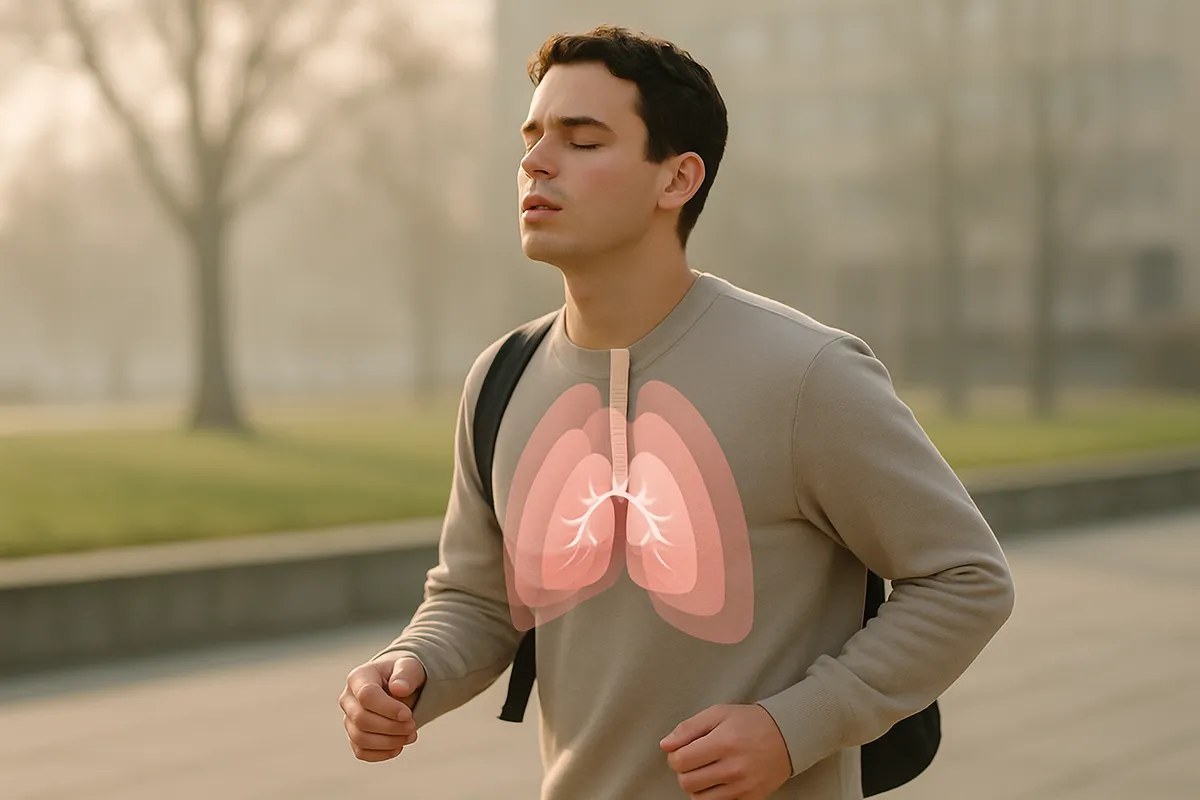
How long after quitting vaping do your lungs start to heal?
Your lungs start to heal within days after you quit vaping, but meaningful improvements unfold over months to years and depend on how long and how heavily you vaped.
Within 24–48 hours, carbon monoxide levels drop and oxygen delivery improves, a pattern well documented after quitting smoking by Johns Hopkins and Baptist Health and likely similar for vaping because nicotine and carbon monoxide affect circulation in comparable ways.1 By 2–12 weeks, many people notice less shortness of breath as airway inflammation eases and circulation improves.2
Over months, cilia (tiny airway hairs) can recover, helping clear mucus and reduce infection risk, as seen after stopping tobacco smoke exposure.3 Health Canada notes that quitting vaping reduces cough and shortness of breath over time.4
Key takeaway: healing starts quickly, but deeper lung recovery is a months‑to‑years process, and it’s faster the earlier you quit.
What lung improvements can you expect week by week?
You can expect small but real lung improvements in the first weeks after quitting vaping, with bigger changes over several months.
Here’s a rough pattern, adapted from research on quitting smoking and emerging vaping data (your timeline may be slower or faster):
- Days 1–3: Carbon monoxide drops; some people feel more air hunger as nicotine withdrawal peaks.3 Morning phlegm may briefly increase.
- Weeks 1–4: Cough can be annoying as your lungs start clearing built‑up mucus. Walking stairs may feel a bit easier.
- Weeks 4–12: Lung function and circulation measurably improve in many quitters; exercise often feels less wheezy.2
- 3–12 months: Coughing and chest tightness usually ease; infections may become less frequent.5
If you also smoked, recovery may be slower, but the direction is still positive.
Takeaway: don’t judge your lungs by week one — allow several months for clearer change.
Do lungs fully heal after vaping, or is some damage permanent?
Lungs often heal significantly after quitting vaping, but full recovery isn’t guaranteed, especially after years of heavy use or prior smoking.
Animal and human studies show that e‑cigarette aerosols inflame airways and damage lung cells.5 Stopping exposure lets inflammation fall and cilia recover, which can restore much of your day‑to‑day function over time. However, long‑term data are limited because vaping is relatively new; major bodies like the CDC and Health Canada stress that the full long‑term impact is still being studied.34
If you already have asthma, COPD, or scarring from smoking or vaping‑related lung injury, some damage may be permanent, though quitting almost always slows further decline.6
Takeaway: your lungs can get noticeably better after quitting, but you can’t count on a total reset—another reason quitting now still matters.
How can you help your lungs recover faster after quitting vaping?
You can help your lungs recover faster after quitting vaping by staying nicotine‑free and supporting breathing, movement, and sleep.
Practical steps:
- Stay off all nicotine: Switching to another vape keeps irritants in your lungs. If withdrawal is rough, talk with a clinician about over‑the‑counter nicotine replacement (patch, gum, lozenges) or prescription options.
- Move your body daily: Even 10–20 minutes of walking helps circulation and lung capacity.2 Many people notice they’re less winded on the same route after a few weeks.
- Practice deep breathing: Gentle breathing exercises can open the lungs and ease anxiety; tools like Aeris’s SOS‑style exercises can walk you through a 3–5 minute craving while you practice.
- Hydrate and humidify: Water and, if needed, a cool‑mist humidifier can thin mucus so your lungs clear easier.
- Avoid other irritants: Secondhand smoke, dust, and strong chemicals can slow healing.
Takeaway: there’s no quick shortcut, but these habits stack the odds in your lungs’ favor.
When should you see a doctor about lung symptoms after quitting?
You should see a doctor about lung symptoms after quitting vaping if breathing problems are new, severe, or getting worse instead of better.
Get urgent medical care (ER or urgent care) if you have chest pain, trouble breathing at rest, blue lips or face, coughing up blood, or sudden severe shortness of breath—these can be emergencies. For non‑urgent issues, book an appointment if you still have daily wheezing, a persistent cough, or frequent chest infections a few months after quitting.
Tell the clinician exactly what and how much you vaped, and whether you ever smoked. They may check your lung function or order imaging. Remember, this article is just information; it’s not medical advice or a diagnosis.
Takeaway: if your gut says “this breathing isn’t right,” it’s worth getting checked.
How do cravings and withdrawal affect how your lungs feel?
Cravings and withdrawal can make your lungs feel worse before they feel better, even while healing has already started.
In the first week, you might feel tight‑chested or “air hungry” as nicotine levels crash and anxiety spikes; that’s withdrawal, not proof your lungs are ruined.3 Cough often ramps up as cilia wake back up and start clearing trapped mucus. Many people panic at the first morning cough without the vape, or that 9 p.m. couch craving when their chest feels both restless and empty.
Using structured tools like a craving timer or a basic breathing routine can help you ride out those 3–5 minute waves. Tracking progress with a quit‑vaping progress tracker or checking a healing timeline can reassure you that symptoms usually mean recovery, not damage.
Takeaway: early lung discomfort is often a sign your body is adjusting, not that quitting was a mistake.
Footnotes
-
Johns Hopkins Medicine. Electronic Cigarettes: What You Need to Know. https://www.hopkinsmedicine.org/health/wellness-and-prevention/electronic-cigarettes-what-you-need-to-know ↩
-
Baptist Health. How Your Lungs Recover After Quitting Smoking. https://www.baptisthealth.com/blog ↩ ↩2 ↩3
-
Truth Initiative – How your body recovers after quitting smoking ↩ ↩2
Frequently asked questions
If I quit vaping, will my lungs heal?
Your lungs can usually heal to a meaningful degree after you quit vaping, especially if you stop while you’re still young and otherwise healthy. Inflammation can fall within weeks and breathing often improves over months, but full recovery isn’t guaranteed, particularly after years of heavy use or past smoking.
Do lungs heal after vaping if I only vaped for a year or two?
If you only vaped for a relatively short time and quit now, your lungs have a good chance of substantial recovery. Most early changes from irritants are at least partly reversible once exposure stops, but you should still see a clinician if you notice ongoing cough, wheeze, or chest tightness.
Why am I coughing more after I quit vaping?
Coughing more right after quitting is common because the cilia in your airways are waking back up and clearing trapped mucus. This usually improves over weeks to a few months; if it’s severe, bloody, or not improving at all, get checked by a healthcare professional.
How long after quitting vaping will breathing feel easier?
Some people notice slightly easier breathing within 2–4 weeks as airway irritation starts to calm. For many, the bigger difference—being less winded on stairs, during sports, or at work—shows up over 2–3 months or longer, especially if you also smoked in the past.
Get through the next craving
Aeris is a calm quit-vaping companion — SOS rescue for cravings, a real buddy, and a plan at your pace. Free on iPhone.
Get Aeris free