What to Expect in the First 3 Days of Quitting Vaping
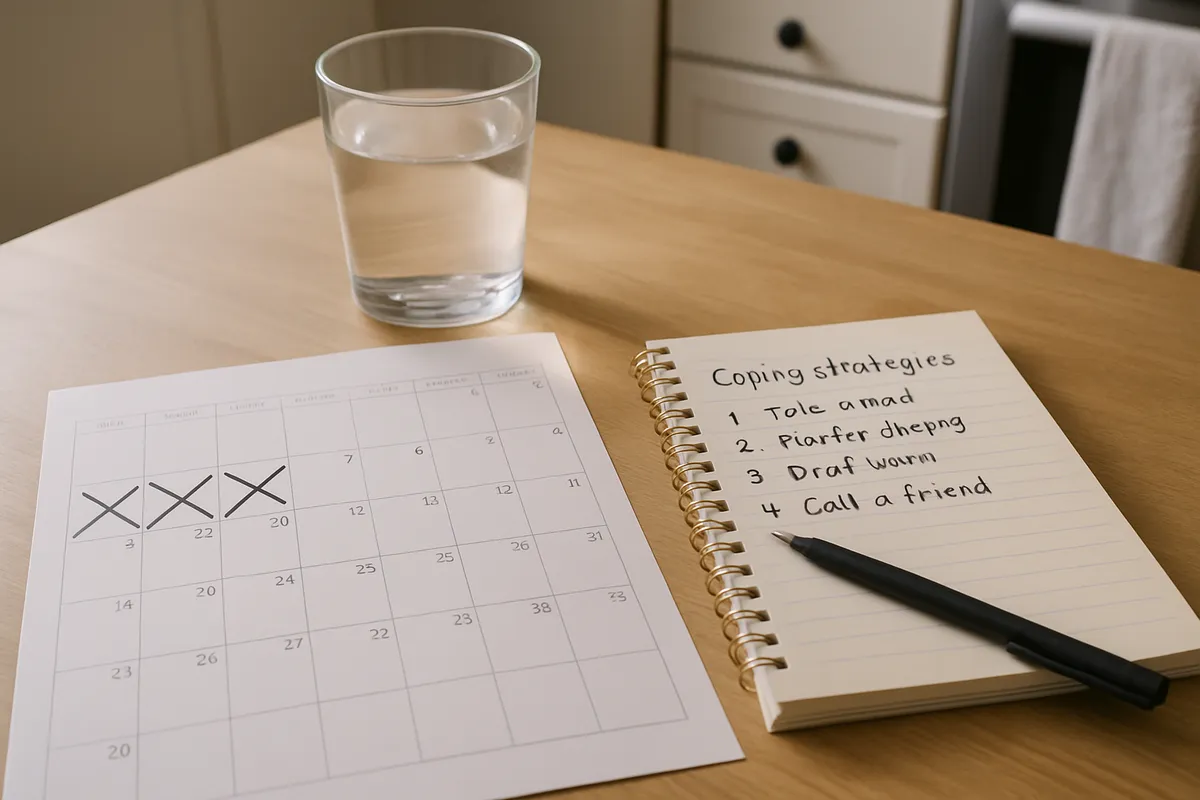
What happens in the first 3 days of quitting vaping?
In the first 72 hours without nicotine, your brain and body are adjusting to the sudden drop in stimulation. Nicotine levels fall quickly, and by about 3 days the drug is largely cleared from your system (CDC). During this time, many people notice stronger cravings, irritability, anxiety, trouble concentrating, sleep changes, and sometimes headaches or stomach upset. These are classic nicotine withdrawal symptoms, not a sign that something is “wrong.”
Cravings typically build and peak within a few minutes, then fade whether or not you vape (Truth Initiative). That’s why short coping strategies like deep breathing, a quick walk, or a 5‑minute distraction are so useful. Using over‑the‑counter nicotine replacement (patch, gum, or lozenges) can reduce withdrawal for many adults (Cochrane). The key is to expect symptoms, prepare for them, and remind yourself they’re temporary.
Takeaway: The first 3 days are an intense adjustment phase, but they’re time‑limited and predictable.
How do days 1, 2, and 3 usually feel?
Everyone’s experience is different, but many people notice a pattern.
| Day | What’s happening in your body | Common feelings |
|---|---|---|
| Day 1 | Nicotine level drops within hours | Frequent urges, “automatic” reach for vape |
| Day 2 | Withdrawal hormones rise | Irritable, restless, sleep off, more snacks |
| Day 3 (≈72 hours) | Nicotine largely cleared | Cravings can feel sharp, mood swings, fatigue |
This pattern is similar whether you’re quitting e‑cigs or cigarettes, though the exact timing can vary (Health Canada).
Takeaway: Expect day 3 with no vape to feel tough, but also like a turning point.
What should you do on day 1 with no vape?
Think of day 1 as an planning day.
- Remove triggers. Put vapes, chargers, and pods out of reach or in the trash.
- Tell 1–2 people. Ask for simple support: “If I’m cranky, it’s withdrawal, not you.”
- Use nicotine replacement if you choose. Many adults use patches plus short‑acting gum/lozenges to blunt withdrawal (NHS).
- Plan your high‑risk times. For each usual vaping moment (wake‑up, commute, after meals), write a specific substitute.
- Eat and drink regularly. Water, regular meals, and a light snack can reduce jitters.
If you’re not sure how dependent you are, a quick tool like the how addicted to vaping quiz can help you understand your pattern.
Takeaway: Use day 1 to strip out vaping cues and set up hour‑by‑hour backups.
Why can day 2 feel worse than day 1?
By day 2, the novelty has worn off and withdrawal is in full swing. Brain receptors that were used to regular nicotine are now getting much less, which can temporarily affect mood and concentration (CDC).
Common day‑2 experiences:
- Irritability or feeling “on edge”
- Restlessness, pacing, or trouble sitting still
- Mild headache or tightness in the jaw/neck
- Strong habit cravings at usual vape times
What helps:
- Move your body. Even 5–10 minutes of brisk walking can reduce cravings and improve mood.
- Short focus bursts. Work or study in 20–30 minute blocks, then take a break.
- Structured distractions. Keep a list: call a friend, wash dishes, do a puzzle.
Takeaway: Day 2 is often about managing mood and restlessness more than physical symptoms.
What happens at 72 hours with no nicotine (day 3)?
Around 72 hours, nicotine is mostly out of your body, and many people report peak withdrawal. This is when cravings can feel sharp and your brain insists “one vape won’t stop withdrawal — it restarts the cycle.” In reality, vaping would only restart the cycle.
Typical day‑3 symptoms include:
- Intense but still short‑lived cravings
- Mood swings, low motivation, or feeling flat
- Foggy thinking or forgetting small things
- Sleep still disrupted
To get through day 3:
- Shrink your goal. Aim for the next 10 minutes, not “forever.”
- Use timed tools. A craving timer or phone timer helps you ride out the peak.
- Change your location. If you’re about to vape, physically move rooms or go outside.
- Lean on supports. Text someone, use a quitline (like 1‑800‑QUIT‑NOW in the US), or a peer‑support app.
Tools like the Aeris app on iOS offer a short “SOS” craving walk‑through with breathing and grounding exercises, which can cover those 3–5 minutes while the urge peaks and eases.
Takeaway: Day 3 is often the hardest, but it also marks the point where your body is largely nicotine‑free.
How can you make the first 3 days more manageable?
You don’t have to rely on willpower alone. A few deliberate choices before and during those first days can make a big difference.
- Pick a clear quit style. Decide whether you’re quitting all at once or tapering down on purpose; mixed messages (“I’ll quit, but maybe not”) tend to backfire.
- Use evidence‑based aids. Nicotine replacement and behavioral support together roughly double quit success rates versus going unaided (Cochrane).
- Track your progress. Watching your vape‑free time and money saved with a tool like the quit‑vaping progress tracker or cost calculator can keep motivation up.
- Protect sleep. Go to bed a bit earlier, avoid caffeine late in the day, and keep screens dim.
- Have a relapse plan. If you slip, decide now that it’s data, not failure, and resume as soon as you can.
Takeaway: Planning, support, and simple tools can turn a chaotic 3 days into a challenging but workable transition.
When should you see a doctor about withdrawal?
This guide is general information, not medical advice.
Consider talking with a doctor, nurse, or pharmacist if:
- You have chest pain, severe shortness of breath, or very fast heart rate
- Your mood, anxiety, or sleep feel unmanageable
- You have other health conditions and aren’t sure which quit aids are safe for you
A clinician can review your situation, rule out other causes of symptoms, and discuss prescription options or counseling support.
Takeaway: Nicotine withdrawal is uncomfortable but usually safe; get medical help if anything feels severe, worrying, or doesn’t match typical withdrawal.
Frequently asked questions
Is day 3 of quitting vaping the hardest?
For many people, yes. Around 72 hours, nicotine is largely out of your system, so withdrawal can peak and cravings feel very strong. The upside is that symptoms often start to ease after this point as your brain adjusts.
How long do vaping cravings last during the first days?
Individual cravings usually peak within a few minutes, even though the urge to vape can come and go all day. Having 3–5 minute coping strategies ready, like breathing exercises or a quick walk, can help you ride each wave out.
Should I use nicotine replacement in the first 3 days?
Many adults find patches, gum, or lozenges reduce withdrawal and make the first days more manageable. A pharmacist or clinician can help you choose an option and explain how to use it correctly.
What if I vape once during the first 3 days?
A slip is common and doesn’t erase your progress. Treat it as information about a trigger you missed, adjust your plan, and get back to not vaping as soon as you can rather than waiting for a new “perfect” quit date.
Get through the next craving
Aeris is a calm quit-vaping companion — SOS rescue for cravings, a real buddy, and a plan at your pace. Free on iPhone.
Get Aeris free